What is Domestic Abuse? Identifying the Signs and Finding Support
Every couple and family have arguments or disagreements. In a respectful and equal relationship, partners feel safe and able to express their feelings and opinions, to be themselves and to make their own decisions and supported in this.
When an individual is in an abusive relationship, one partner will often use control to undermine and dominate the other through physical harm, coercive and controlling behaviour, demands, threats, or sexual pressure.
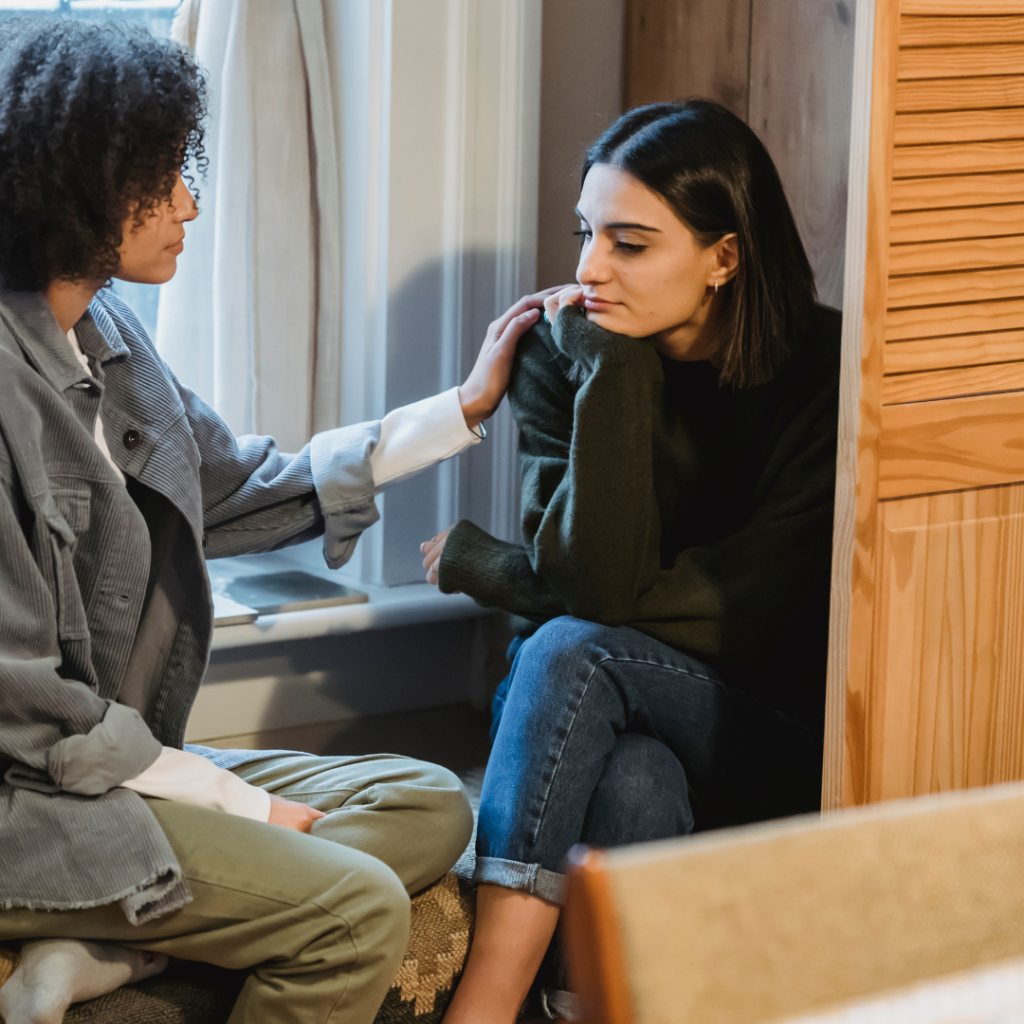
When we hear the term “domestic abuse,” many of us immediately think of physical violence—bruises, broken bones, or hospital visits. But abuse is often much quieter and less visible.
Abuse is about power and control. It is a pattern of behaviour in which one person uses it to gain and maintain dominance over another in a relationship. It can happen to anyone, regardless of age, gender, or background.
If you are feeling “on edge,” confused, or like you’re walking on eggshells, it is important to trust your gut. Use the questions below to help you identify if what you are experiencing is abuse.
It’s Not Always Physical: Understanding the Signs
Abuse can take many forms. Often, it begins with small behaviors that slowly escalate over time. Ask yourself the following questions:
1. Emotional and Psychological Abuse
Does your partner or family member…
- Constantly criticise you, call you names, or put you down?
- Make you feel like everything is your fault?
- Act extremely jealous or possessive?
- Threaten to hurt themselves, you, or your children if you leave?
- “Gaslight” you (make you doubt your own memory or sanity)?
2. Controlling and Coercive Behaviour
Does your partner or family member…
- Monitor your phone, social media, or emails?
- Tell you what to wear or how to do your hair?
- Discourage or prevent you from seeing your friends and family?
- Control where you go and who you talk to?
3. Financial Abuse
Does your partner or family member…
- Control all the household money or keep you on a strict “allowance”?
- Prevent you from working or going to school?
- Take your wages or benefits from you?
- Make large financial decisions without consulting you?
4. Sexual Abuse
Does your partner or family member…
- Pressure or force you into sexual acts you don’t want to do?
- Make you feel like you “owe” them sex?
- Refuse to use protection or let you use birth control?
“Is it my fault?”
No. Abuse is never your fault. No matter what you said, what you did, or how much you’ve argued, the responsibility for the abuse lies solely with the person choosing to use those behaviours.
What can I do next?
If you recognised yourself in any of the questions above, please know that you are not alone and there is support available right here in Nottinghamshire.
1. Talk to Someone Who Understands
At NIDAS, we offer a kind, non-judgmental space. We can help with safety planning, emotional support, and navigating legal or housing issues.
- NIDAS Advice Line (Mansfield & Ashfield): 01623 683 250
- Email: [email protected]
- Opening Hours: Mon–Thu (9am–5pm), Fri (9am–4:30pm)
2. 24-Hour Help
If you need to talk to someone outside of our office hours:
- Nottinghamshire 24-Hour Helpline: 0808 800 0340
- National Domestic Abuse Helpline (Refuge): 0808 2000 247
3. In an Emergency
Always call 999 if you are in immediate danger.
* Silent Solution: If you are in danger but cannot speak, call 999 and then press 55 when prompted. This alerts the operator that it is a genuine emergency and they will send help.
You deserve to feel safe.
The journey to recovery starts with a single step. Whether you want to leave, or you just want someone to listen to what you’re going through, we are here for you.